Need termite treatment help in Maumee?
Send a short request about your pest problem. A local provider in our network can follow up with an estimate. Compare it and decide. No obligation.
No obligation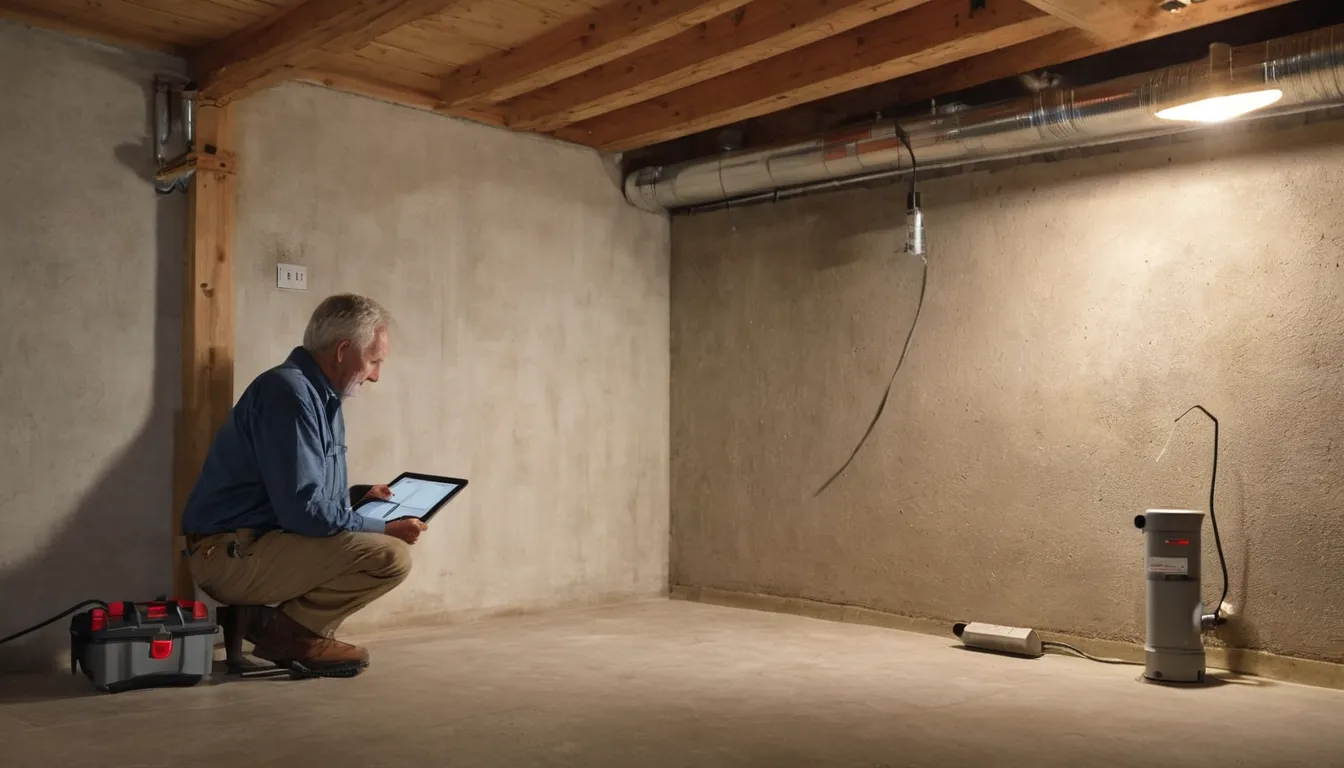
Request an estimate today
Termites eat wood from the inside. You may not see them until the damage is well along. If you spotted mud tubes, winged insects, or soft, hollow-sounding wood, act soon.
Stickexistence Pest Control is a referral service. We do not do the treatment. We connect homeowners in the Maumee area with independent local providers. You can request an estimate, compare approaches and prices side by side, and decide at your own pace. Asking creates no obligation. Short answers first: get an inspection, learn what you have, then pick a plan.
Get a professional inspection. That is the first step. Do not spray store products on the wood and wait. A provider needs to see what is going on.
Why? Termites hide. Surface signs often mean more activity behind the walls.
Termites work all day and night. They do not stop on weekends. Small problems grow.
Repairs cost more than treatment. Waiting makes the bill bigger. Many providers can respond quickly, but availability varies. Request a callback to check provider availability.
Some signs are easy to spot. Others take a closer look.
Thin tan or brown tubes on foundation walls, piers, or basement beams. Termites use them as travel paths.
Winged insects near windows or lights in spring. Piles of shed wings on sills are a red flag.
Tap baseboards, joists, and door frames. A dull, papery sound can mean tunnels inside.
Tiny pellets that look like sawdust point to drywood termites. Bubbling paint can mean moisture or hidden activity.
The type decides the plan. A provider will tell you which one you have.
These live in soil and enter from below. They are the most common type in the U.S. Damp basements and crawl spaces help them.
These live inside dry wood and need no soil contact. They are more common in warm states, but they can arrive in furniture.
These go for wet, rotting wood. Leaks and poor drainage invite them.
Frame houses that are decades old have lots of wood to feed on. Full basements with sump pumps can stay damp. Spring flooding and heavy summer storms add moisture around foundations. Cold winters push termites deeper into the soil, not out of your life.
Tell each provider about your basement, your sump pump, and any past leaks.
There are a few common approaches. Ask each provider why they suggest theirs.
Some jobs combine methods. Bait systems often take longer. Liquid treatments often act sooner. Neither is right for every home.
Ask before you commit. Lay estimates next to each other. Look at more than price.
A written quote should answer all of this. If it does not, ask again.
Pick someone who explains things plainly. Check that they are licensed in your state and carry insurance. Providers in our network are independent, so verify this yourself.
Be wary of anyone who pushes you to sign on the spot. A good provider lets you think it over.
Buying or selling? Lenders and buyers often ask for a termite report. Rules vary by state and loan type.
A report shows past and current activity. Get one early. It gives you time to treat or negotiate. Surprises at closing are stressful.
Most home policies do not cover termite damage. Some policies may cover sudden damage from other causes. Check your policy. Providers can often help document damage for a claim.
Treatment is not the end. Follow up matters.
Repair any wood damage after the provider confirms the colony is dealt with.
A provider checks basements, crawl spaces, and wood, then explains what they found and where.
Compare liquid, bait, and wood treatments, with reasons for each.
Get scope, price, and follow-up terms on paper before you decide anything.
Many plans include rechecks so you know whether the treatment is working.
Prices vary by home size, termite type, and method. These are typical U.S. ranges only. Get a written quote from each provider to see what your job would cost.
| Service | Typical range | Notes |
|---|---|---|
| Termite inspection | $75 – $300 | Some providers bundle it with treatment |
| Liquid soil treatment | $1,200 – $2,500 | Depends on foundation length |
| Bait station system | $1,500 – $3,500 | Often has a yearly monitoring fee |
| Drywood spot treatment | $250 – $1,000 | For small, local infestations |
| Whole-home drywood treatment | $1,500 – $4,000 | Larger homes cost more |
| Annual termite protection plan | $300 – $800 | Rechecks and limited retreatment terms vary |
Tell us what you saw and where. It takes a couple of minutes to fill out.
A local provider in our network reaches out to set up an inspection.
Review methods, prices, and follow-up terms in writing, side by side.
Choose a plan, or walk away. The choice is yours.
Request estimates and see methods and prices side by side. Nobody pushes you to pick one.
We keep it short. You get the facts, the likely next steps, and room to decide.
Asking for an estimate costs you nothing but a few minutes. Saying no is fine.
Providers in our network know area soil, climate, and older homes.
Send a short request about your pest problem. A local provider in our network can follow up with an estimate. Compare it and decide. No obligation.
No obligationSend a short request about your pest problem. A local provider in our network can follow up with an estimate. Compare it and decide. No obligation.
No obligation